Teenage Arabic Islamic Studies
Two Qualifications
Teenage Arabic Islamic Studies (TAIS) prepares a young scholar for two qualifications: Islamic Studies and Arabic.
Turath Institute offers this flagship course for students at both GCSE and A Levels.
During this stage of life, rooting ourselves in our faith tradition gives us orientation and direction. Skills developed during this learning path, such as critical thinking and writing, are highly transferable and will serve the student in whatever career path they pursue.

Flexible
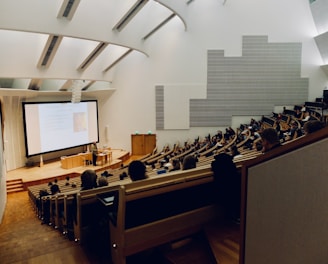
TAIS offers 2 hours of live teaching each week, reinforced by guided readings and a structured independent-study routine that trains students to think, analyse, and grow steadily in their Arabic and Islamic studies.
We integrate contemporary theory and best practices with classical texts, structured progression, memorisation + understanding, and discussion-based learning.


Outcomes
TAIS graduates can:
Understand the Quran, read basic Arabic texts, understand key concepts from intermediate texts, and engage Islamic sources with confidence.
Worship and conduct their life according to the rules of the religion, grounded in understanding the rulings of Islam and their evidences.
Recall the life of Prophet Muhammad ﷺ with love and nobility and apply the Prophetic Character in their own lives.
Elect to sit for the exam for qualifications after concluding their course.


Pathways
TAIS leads to opportunities to pursue intermediate and advanced Islamic studies, including ʿĀlimiyyah and Iftāʾ at Turath Institute.
Mission Statement
Contact
Support
info@turathinstitute.org
+44 7407 296893
© 2025. All rights reserved.
The Turath Institute is dedicated to reviving and transmitting traditional Islamic knowledge, rooted in turāth and isnād. Our work is guided by a theocentric worldview, grounded in classical texts, methods, and scholarly lineages. We prioritise authentic Islamic pedagogy and aim to produce scholars formed through rigorous study and spiritual discipline. By remaining anchored in tradition, we offer a meaningful alternative to prevailing secular paradigms in education and leadership, while engaging our context with clarity, purpose, and integrity.